
Residual Interest Credit Card
Residual Interest Credit Card - Residual interest only applies if you carry a balance on a credit card from month to month. Residual interest, aka trailing interest, occurs when you carry a credit card balance from one month to the next. Your credit card company issues you a statement. Let’s examine what residual interest is and how to avoid it. Credit card residual interest is normally. The best way to avoid residual interest is to always pay off your full credit card balance on time every month.
Your credit card company issues you a statement. Residual interest, sometimes called trailing interest, can be a tricky and frustrating part of using a credit card. That may be residual interest. Credit card residual interest is normally. Credit card residual interest is interest that builds up between when your billing cycle ends and when the issuer actually receives your payment.
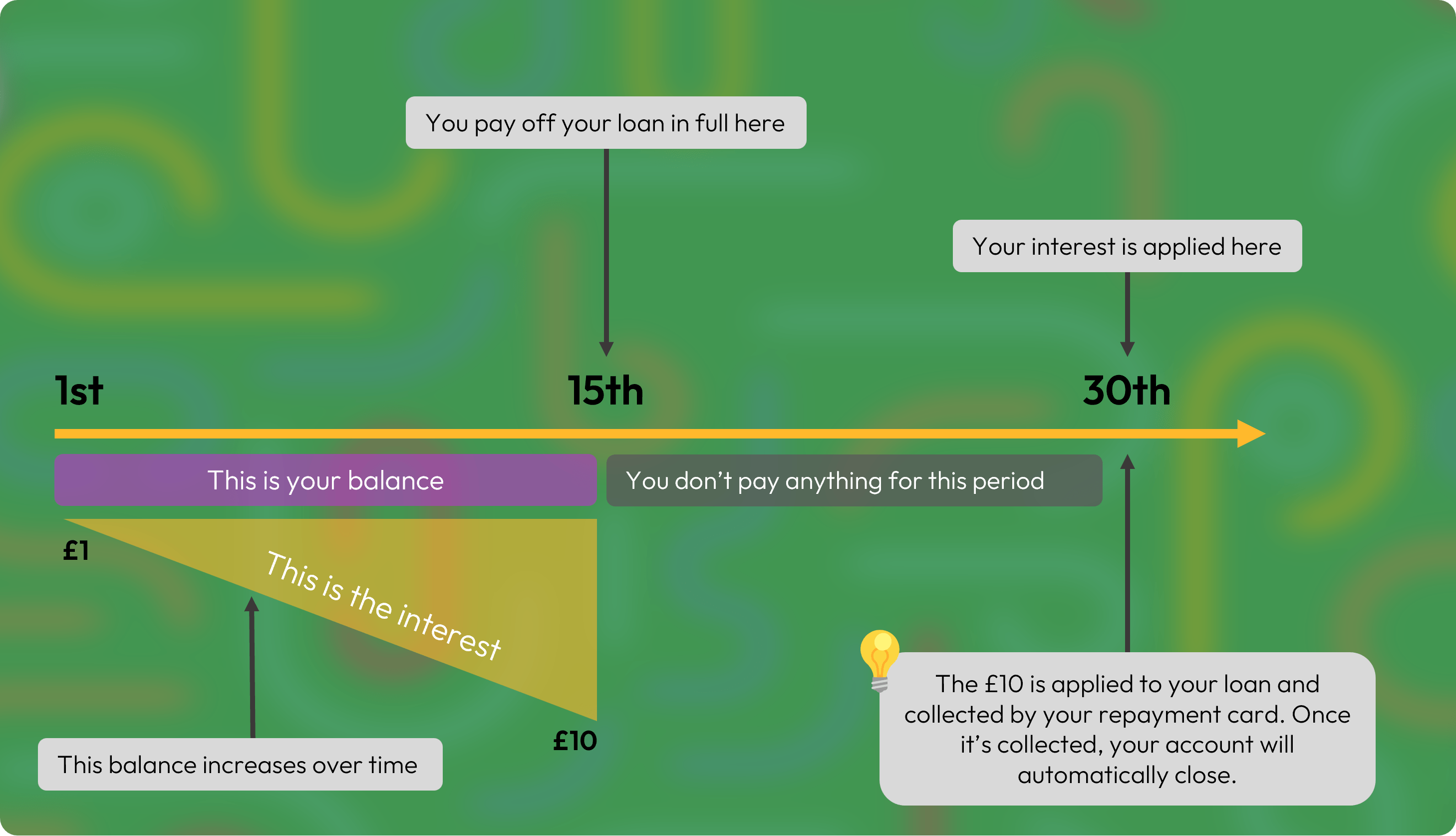
What is residual interest? 📄 Abound
Residual interest, sometimes called trailing interest, occurs when you carry a credit card balance from one month to the next. Residual interest, also known as trailing interest is, in the most basic terms, the interest that's carried over billing cycles. Residual interest, sometimes called trailing interest, can be a tricky and frustrating part of using a credit card. Let’s examine.

What Is Credit Card Residual Interest? Tips for Avoiding It SoFi
It’s also called trailing interest. Let’s examine what residual interest is and how to avoid it. The best way to avoid residual interest is to always pay off your full credit card balance on time every month. Residual interest, also known as ‘trailing interest,’ is the interest charged on a credit card balance that accumulates between the billing statement date.

Residual Interest Credit Card In Powerpoint And Google Slides Cpb
You might think you paid your credit card balance off in full, but it’s possible residual interest charges might pop up on your next credit card bill. Find out how residual interest works and ways to avoid it in this article from better money habits. Residual interest, sometimes called trailing interest, occurs when you carry a credit card balance from.

Residual Interest What Is It and How to Avoid It Credello
Residual interest, aka trailing interest, occurs when you carry a credit card balance from one month to the next. You might think you paid your credit card balance off in full, but it’s possible residual interest charges might pop up on your next credit card bill. Residual interest, sometimes called trailing interest, can be a tricky and frustrating part of.

Understanding residual interest on a credit card Chase
Residual interest, aka trailing interest, occurs when you carry a credit card balance from one month to the next. The best way to avoid residual interest is to always pay off your full credit card balance on time every month. Credit card residual interest is normally. Residual interest, also known as ‘trailing interest,’ is the interest charged on a credit.
Residual Interest Credit Card - It’s also called trailing interest. If you're carrying a balance on your credit card, residual interest can easily sneak up on you when trying to pay it off. Residual interest is interest that accrues daily between the window of time after your statement is issued and your payment is made. Residual interest, also known as ‘trailing interest,’ is the interest charged on a credit card balance that accumulates between the billing statement date and the date you pay the bill. Residual interest, also known as trailing interest is, in the most basic terms, the interest that's carried over billing cycles. Residual interest, sometimes called trailing interest, occurs when you carry a credit card balance from one month to the next.
Residual interest is the interest that card issuers charge those carrying a credit card balance for the time period between when the issuer sent out your card statement to when it actually receives the payment. That may be residual interest. If you're carrying a balance on your credit card, residual interest can easily sneak up on you when trying to pay it off. You might think you paid your credit card balance off in full, but it’s possible residual interest charges might pop up on your next credit card bill. Residual interest, also known as trailing interest is, in the most basic terms, the interest that's carried over billing cycles.
Residual Interest, Also Known As ‘Trailing Interest,’ Is The Interest Charged On A Credit Card Balance That Accumulates Between The Billing Statement Date And The Date You Pay The Bill.
You might think you paid your credit card balance off in full, but it’s possible residual interest charges might pop up on your next credit card bill. Let’s examine what residual interest is and how to avoid it. Residual interest is the interest that card issuers charge those carrying a credit card balance for the time period between when the issuer sent out your card statement to when it actually receives the payment. Residual interest, aka trailing interest, occurs when you carry a credit card balance from one month to the next.
Residual Interest, Also Known As Trailing Interest Is, In The Most Basic Terms, The Interest That's Carried Over Billing Cycles.
Residual interest, sometimes called trailing interest, occurs when you carry a credit card balance from one month to the next. If you're carrying a balance on your credit card, residual interest can easily sneak up on you when trying to pay it off. Have you ever paid your credit card balance down and then found an unexpected interest charge on the next bill? Residual interest is interest that accrues daily between the window of time after your statement is issued and your payment is made.
Your Credit Card Company Issues You A Statement.
That may be residual interest. Residual interest only applies if you carry a balance on a credit card from month to month. Find out how residual interest works and ways to avoid it in this article from better money habits. Residual interest, sometimes called trailing interest, can be a tricky and frustrating part of using a credit card.
Read On To Learn More About What Is Residual Interest, When It May Apply, And How You Can Avoid It.
Credit card residual interest is normally. Credit card residual interest is interest that builds up between when your billing cycle ends and when the issuer actually receives your payment. The best way to avoid residual interest is to always pay off your full credit card balance on time every month. It’s also called trailing interest.